
Ready in: 30 minutes · Serves: 4 · Technique: Blending · Storage: Refrigerate for up to three days.
Quick Answer
This pesto pasta recipe blends fresh basil, garlic, and Parmesan into a vibrant sauce that coats your favorite pasta, creating a satisfying and flavorful dish.
As I sit in my cozy New York City apartment, the autumn air crisp and invigorating, I find myself dreaming about simplicity wrapped in vibrant flavors-the kind of dish that feels like a warm hug on a chilly day. Enter pesto pasta, a delightful blend of fresh basil, nutty Parmesan, and garlic, all swirled together with your choice of pasta. With Thanksgiving and the holiday season just around the corner, this recipe is perfect for those moments when you want something gourmet yet effortless to impress your guests.
A Cozy Holiday Treat

Why You'll Love This Recipe
- Quick and easy to prepare, perfect for busy weeknights.
- Fresh, flavorful ingredients that evoke the essence of fall.
- Adaptable - customize with different nuts or seasonal vegetables.
- Gourmet appeal that will impress your guests without the fuss.
- Delicious leftovers make for a perfect meal prep option.
Ingredients
Gather these simple yet vibrant ingredients for your pesto pasta:
Pesto
- 2 cups fresh basil leaves (packed), stems removed
- ½ cup extra virgin olive oil
- ⅓ cup pine nuts (or walnuts for a different flavor)
- 2-3 cloves garlic, peeled
- ½ cup freshly grated Parmesan cheese (plus extra for serving)
- Salt and black pepper, to taste
Pasta
- 12 ounces pasta of your choice (I love using orecchiette or farfalle)
How to Make Pesto Pasta (Step-by-Step)
Crafting your own pesto pasta at home is a delightful experience that fills your kitchen with the aroma of fresh ingredients.
Step 1: Make the Pesto
Start by placing the fresh basil leaves in a food processor, accompanied by the pine nuts and the garlic cloves. As I whir them together, the aroma of fresh basil fills the kitchen, evoking memories of sun-soaked gardens. With the processor running, gradually drizzle in that golden extra virgin olive oil, watching as the mixture transforms into a vibrant green sauce. Before you know it, it's glossy and fragrant.
Step 2: Add the Cheese
With the food processor still going, add the freshly grated Parmesan cheese. Pulse until just combined; I like to leave it a little chunky for texture. Season with salt and black pepper to taste. The balance of nutty, salty, and herbal flavors is nothing short of heavenly.
Step 3: Cook the Pasta
In a large pot of boiling salted water, add your pasta, ensuring it's al dente according to package instructions. As it cooks, I always recommend stirring occasionally to avoid sticking.
Step 4: Combine
Once the pasta is cooked, reserve a cup of the starchy pasta water, then drain the rest. Pour the hot pasta back into the pot, and while it's still steaming, add in the pesto. Toss until every piece of pasta is coated in the vibrant green sauce. If it seems too thick, I reach for that reserved pasta water, adding a splash at a time until it's just right.
Step 5: Serve
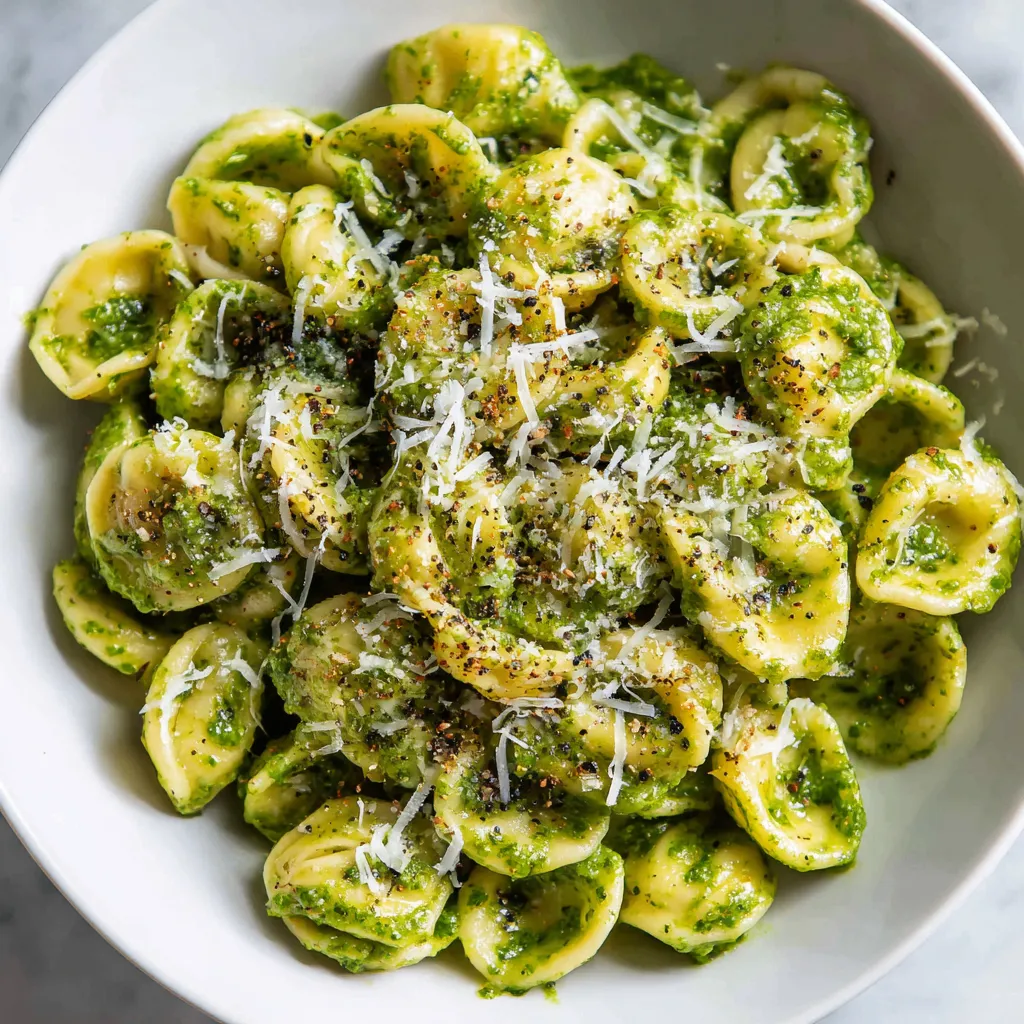
Transport the pasta into a large serving bowl, and top it with additional Parmesan cheese. Drizzle with a bit more olive oil and perhaps some freshly cracked black pepper to elevate the dish. Each bite offers a medley of textures and flavors that showcases the aromatic basil and the salty cheese - it's a dish that truly tastes of the season.

Common Mistakes to Avoid
- Using stale nuts: Fresh pine nuts have a sweet, creamy flavor. Stale nuts can impart a rancid taste that can ruin your pesto.
- Over-processing the pesto: Aim for a chunky texture; over-blending can lead to an unpleasantly smooth paste.
- Skimping on salt: Fresh ingredients need seasoning to shine; don't be shy with the salt, especially when boiling your pasta.
Tips and Tricks for Success
- Customize the nuts: Feel free to experiment with walnuts or pecans for a different twist!
- Add a squeeze of lemon: A hint of lemon juice can brighten up the flavors beautifully.
- Make it a meal: Add sautéed seasonal vegetables, like roasted Brussels sprouts or cherry tomatoes, for a hearty entree.
Variations
- Replace pine nuts with walnuts or pecans for a different flavor.
- Add sun-dried tomatoes for a tangy twist.
- Incorporate arugula or spinach with basil for a unique pesto blend.
How to Serve
- Drizzle with extra virgin olive oil for added richness.
- Top with freshly cracked black pepper for an extra kick.
- Garnish with additional grated Parmesan cheese before serving.

Make Ahead and Storage
- Make Ahead: Prepare the pesto ahead of time and store it in the refrigerator.
- Storage: Store any leftovers in an airtight container in the refrigerator for up to three days.
- Reheating: Gently reheat the pasta on the stovetop with a splash of reserved pasta water.
- Freezing: The pesto can be frozen; make a double batch and freeze it in ice cube trays for easy future meals.
Recipe Notes / What I Learned
While testing this recipe, I was reminded that simple ingredients can create spectacular flavors. Experimenting with variations of pesto keeps this dish exciting and fresh for every meal, making it a delightful staple for both cozy nights at home and festive gatherings with friends and family.
Yield and Serving Size
Yield: 4 servings · Serving Size: 1 cup
Nutrition Snapshot
Estimated Nutrition Per Serving: ~450 calories · 12g protein · 55g carbs · 22g fat
Recipe by:
Easy Pesto Pasta in 30 Minutes
Ingredients
Equipment
Method
- Make the pesto by blending basil, pine nuts, and garlic in a food processor, then slowly drizzling in the olive oil until smooth.
- Add grated Parmesan to the processor and pulse until combined. Season with salt and pepper to taste.
- Cook the pasta in boiling salted water according to package instructions until al dente.
- Drain the pasta, reserving some of the cooking water. Toss the hot pasta with the pesto, adding reserved water as needed for consistency.
- Serve immediately with additional Parmesan and a drizzle of olive oil.
Notes
FAQs
Can I use store-bought pesto instead of homemade?
Absolutely! Store-bought pesto can save time, but homemade pesto offers a fresher taste and allows you to control the ingredients for the best flavor.
How long can I store pesto pasta leftovers?
Leftover pesto pasta can be stored in an airtight container in the refrigerator for up to three days. Reheat gently to enjoy it again!
Can I freeze the pesto?
Yes, you can freeze pesto! Consider making a double batch and freezing it in ice cube trays. This way, you can easily pop out a cube for future meals.